Hidden Security: A Guide to Stamp Watermark Detection

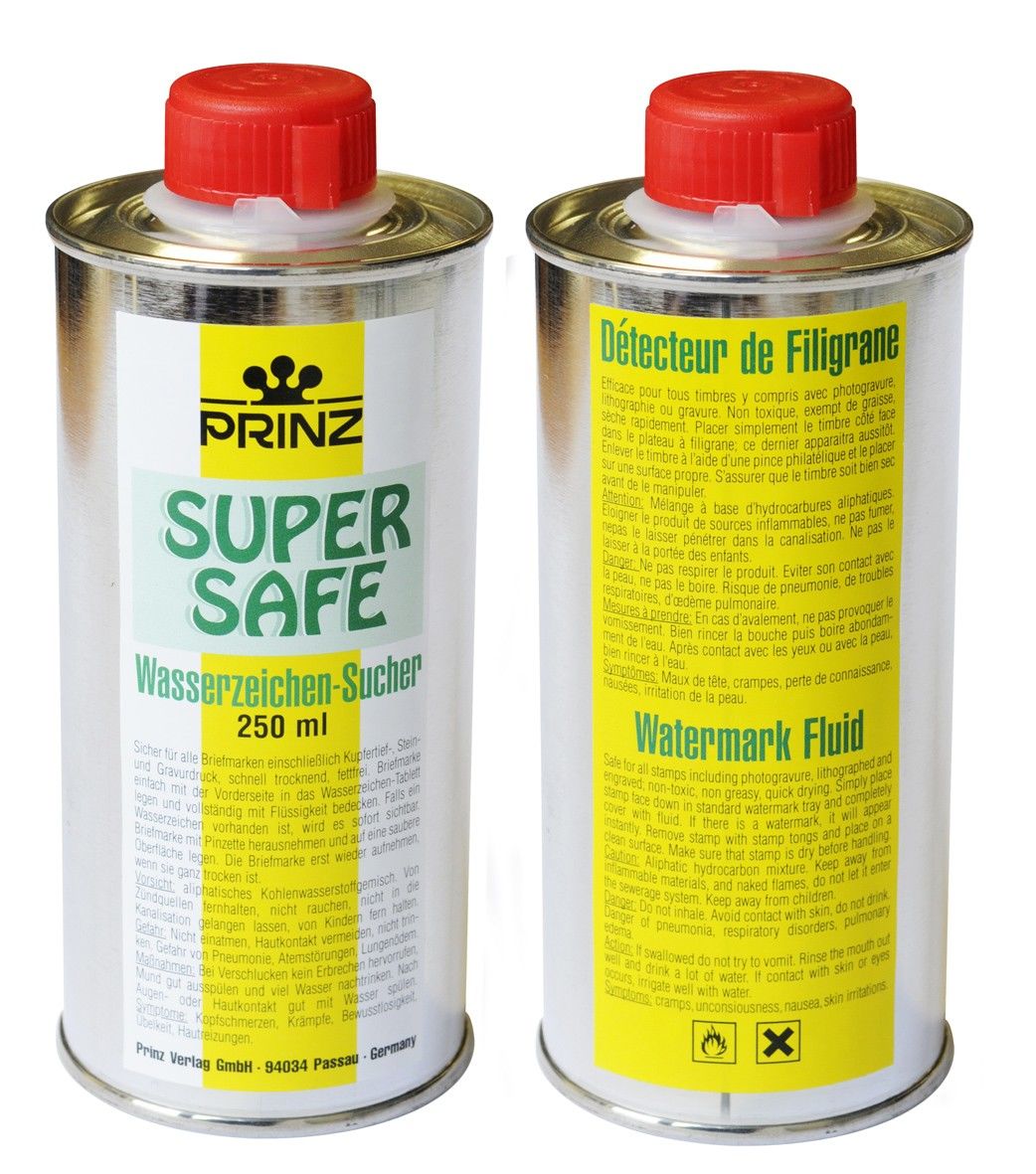
In the world of philately, the most valuable secrets are often hidden within the paper itself. Watermarks—identifying images or patterns embedded during manufacturing—appear as variations in paper density. Identifying these subtle patterns is critical, as a specific watermark can be the only difference between a common issue and a rare rarity.
To reveal a hidden design, place your stamp face-down in a black tray and apply a small amount of specialized watermark fluid. The fluid temporarily alters the paper's transparency, allowing the watermark to stand out against the dark background before evaporating completely.
Modern Solutions: Digital Detection
For collectors who prefer a non-chemical approach, modern Stamp Identifier apps utilize smartphone cameras and pattern recognition algorithms. These tools apply digital filters and contrast adjustments to tease out faint watermarks that may be invisible to the naked eye.


Stamp identifier apps
Download for Android:

Download for iOS:
Best Practices for Security
Safety is paramount when handling valuable items. Always use philatelic-grade fluids and handle stamps with tongs to prevent skin oils from damaging the paper fibers. Once a watermark is identified—be it a crown, monogram, or geometric pattern—record your findings and cross-reference them with a trusted catalog like Scott or Michel.
Explore Our Cataloged Varieties