The Philatelic Detective: How to Identify a Stamp?
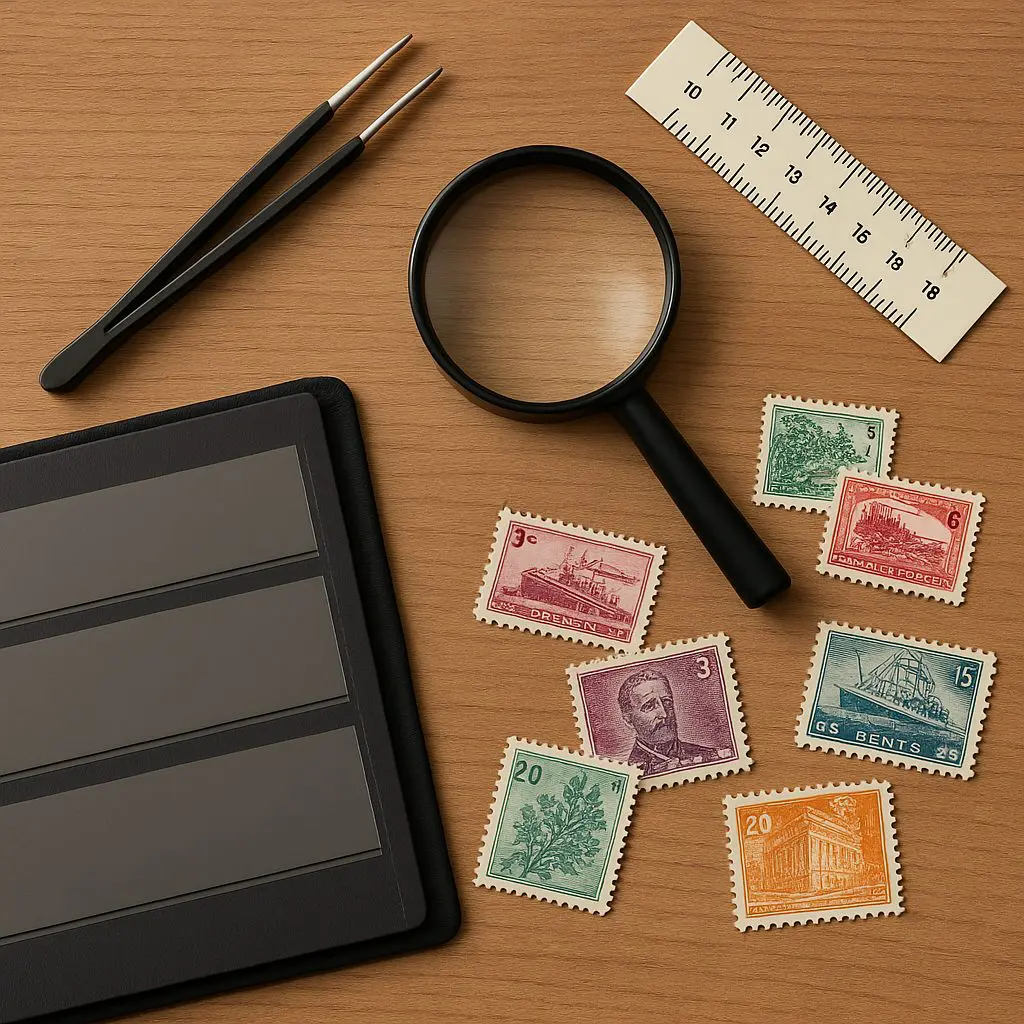
Identifying a stamp is more than just looking at a picture; it is a process of forensic discovery. Whether you have inherited a collection or found a loose envelope, determining a stamp's origin requires a systematic approach.
The first step is identifying the "Issuing Authority." While many stamps clearly state the country name, others use specialized scripts (Cyrillic, Arabic, Kanji) or no name at all—such as the profile of a reigning monarch on Great Britain issues.
Technical Specifications: Perforations and Watermarks
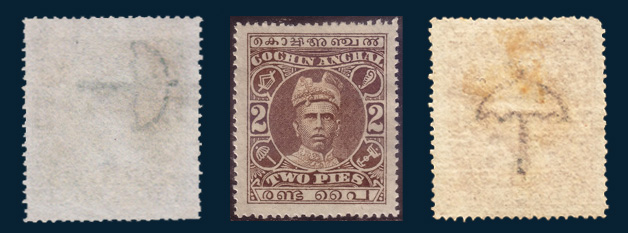
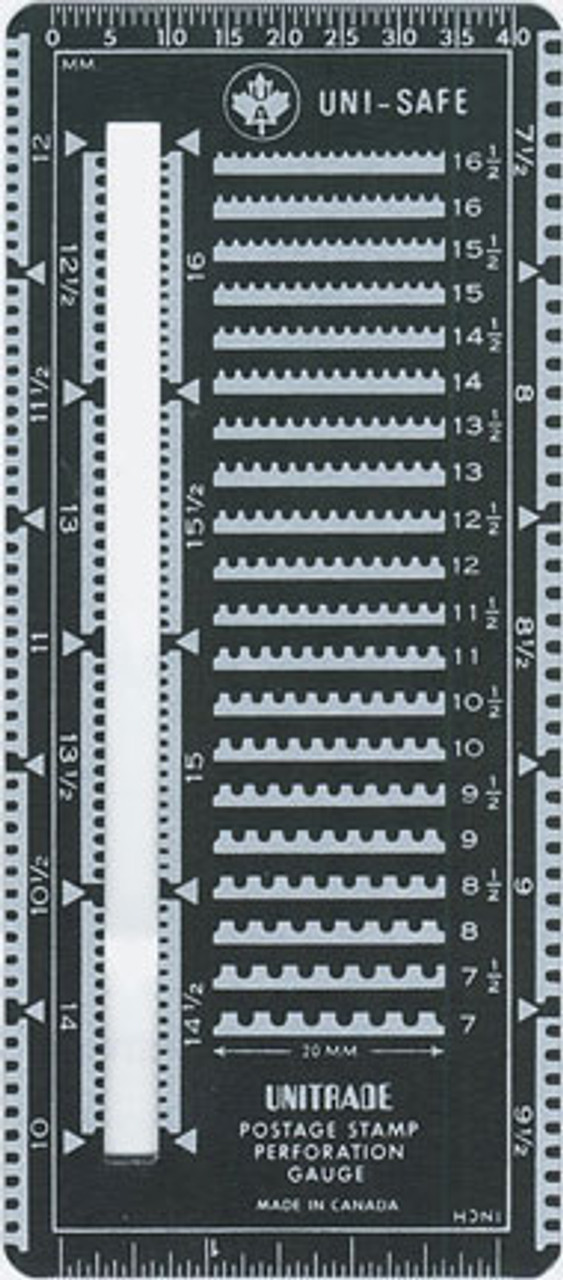
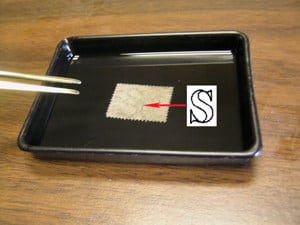
Two stamps that look identical can have vastly different values based on their physical construction. A perforation gauge is used to count the number of teeth per 2 centimeters, while watermark fluid reveals hidden patterns in the paper fibers.
The Final Verdict: Cataloging
Once the physical data is collected, the final step is cross-referencing your findings with a standard catalog like Scott, Stanley Gibbons, or Michel. These guides provide the "DNA" of the stamp, including its issue date and current market value.
Download free printable perforation guage Browse Our Identified Collections