Is my Penny Red worth millions?
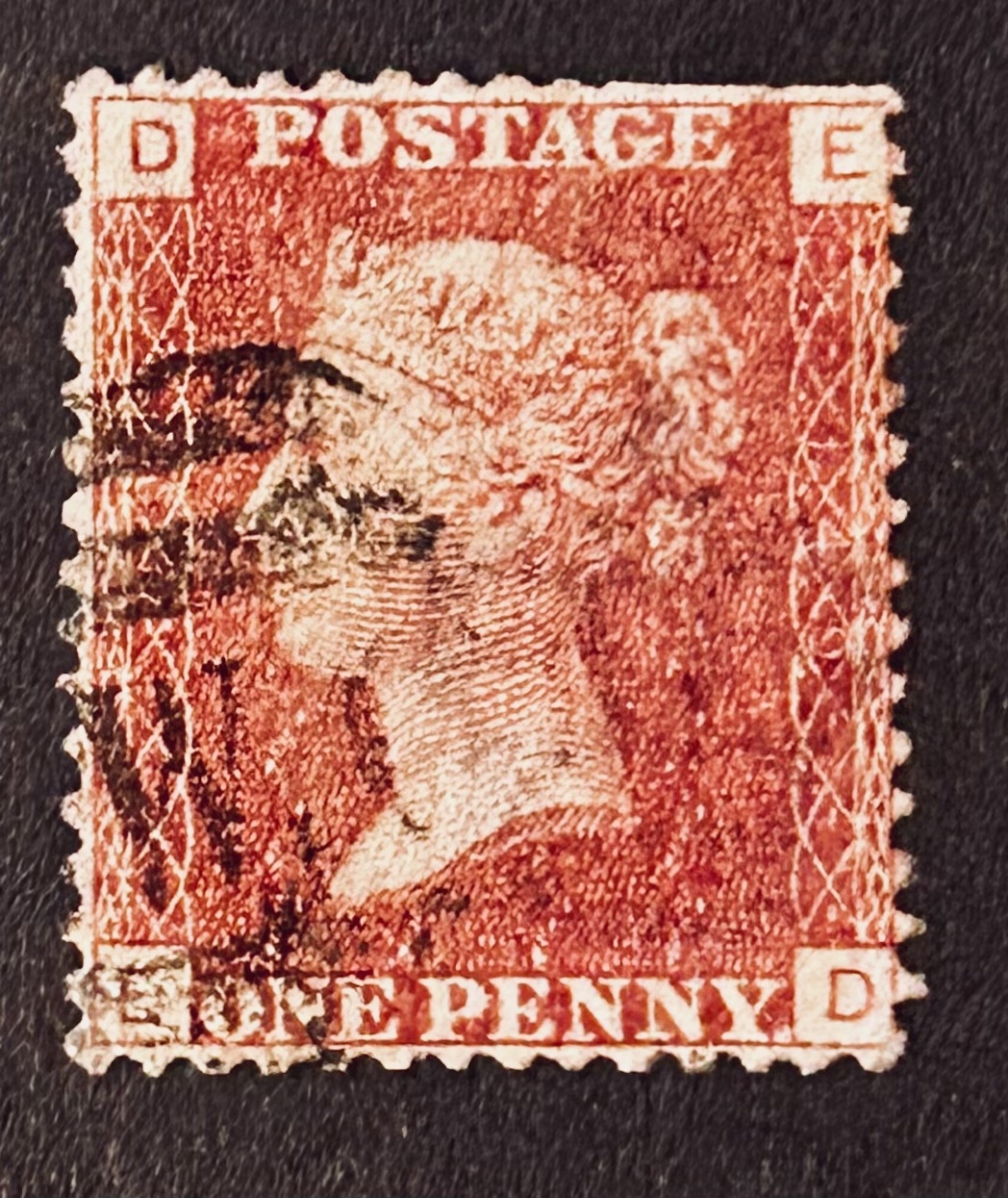
The Penny Red (red plate printing) United Kingdom, 1d | Issued 1864–1879.
Somewhere out there, someone is keeping a list of stamp superlatives. What’s the biggest stamp? The smallest? What’s the “weirdest” stamp?
Some of these superlatives may be subjective, but there is one everyone agrees on: What was the first adhesive postage stamp? The answer: a stamp of Queen Victoria, commonly called the Penny Black for its denomination and color, first issued in the United Kingdom on May 1, 1840. However, it turned out that black cancellations on a black stamp were difficult for postmasters to discern. So the Penny Red was issued on its heels in 1841.
What is the Penny Red postage stamp?
The Penny Red is the second penny-value stamp issued by Great Britain. It succeeded the Penny Black and continued as the main type of postage stamp in the UK from 1841–1879, with only minor changes to the design during that time. Over the course of 38 years, nearly 21 billion Penny Reds were printed.
What are the elements of the Penny Red design?
Design
The Penny Red features the profile of Queen Victoria in the center. Above her profile is the word “POSTAGE” and below it reads “ONE PENNY.” On each side is a series of overlapping lacework semicircles. Each corner of the stamp bears a letter, with opposite corners matching each other on later printings.
Perforations
Initially, Penny Reds were imperforate, meaning they had to be cut from the sheet with scissors. Perforated Penny Reds became standard practice in 1854, initially with a gauge 16 and later changed to gauge 14 in 1855 to prevent the stamps from pulling apart too easily.
Corner Letters
Each stamp on a sheet has a unique two-letter signifier. The letters indicate the row and column position. For example, AA indicates the top-left position. Early Penny Reds had stars in the top corners and letters only in the bottom. From 1858, stars were replaced with reverse-order check letters.
Plate Numbers
More than 400 different plates were used. Starting in April 1864 (Plate 71), the plate number was engraved directly into the lacework on the sides of the design. Stamps from certain plates are incredibly rare.
One Penny Red from Plate 77 was auctioned for £495,000 in 2016, making it one of the most valuable stamps in the United Kingdom.
Let’s date and value my Penny Red!
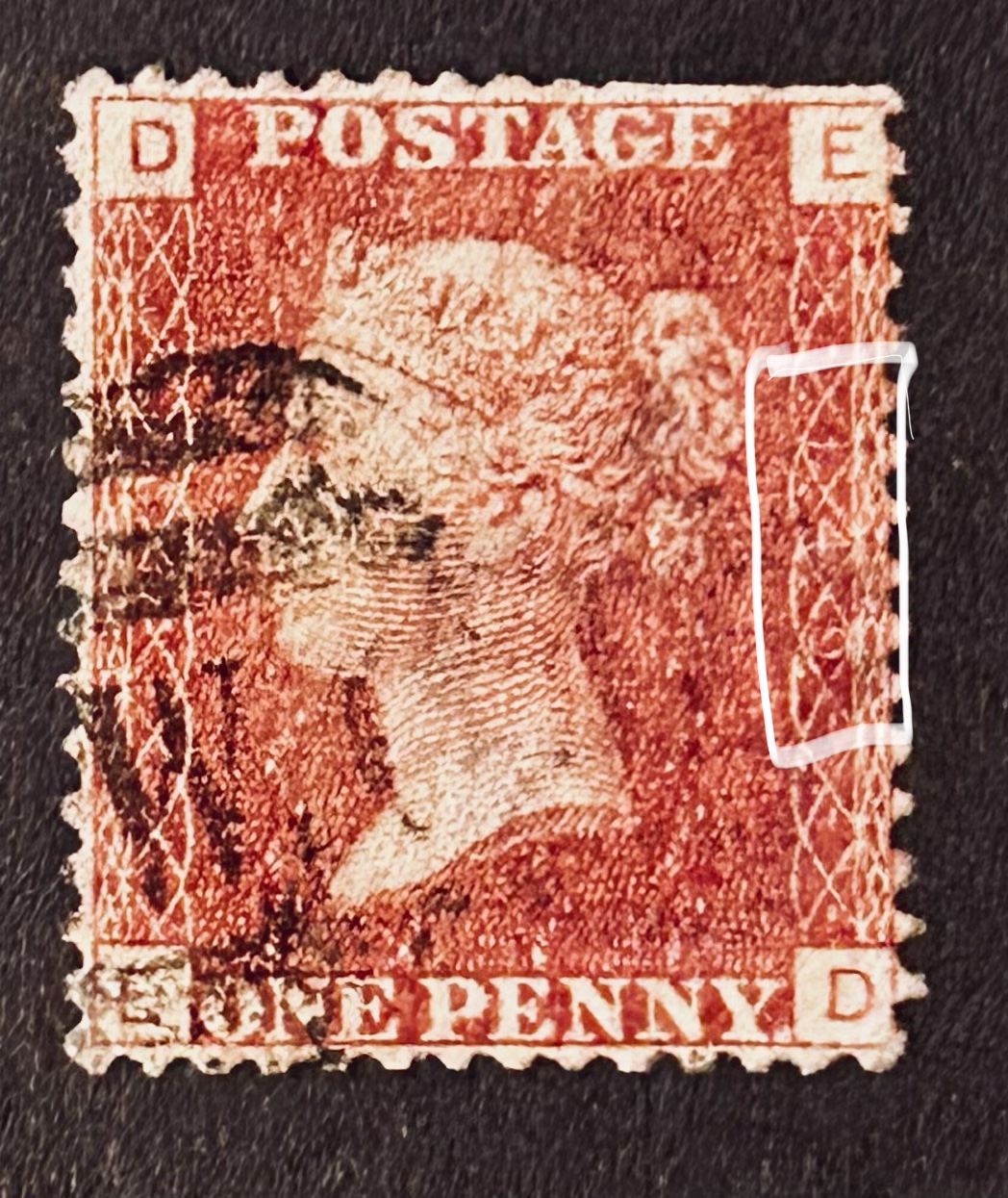
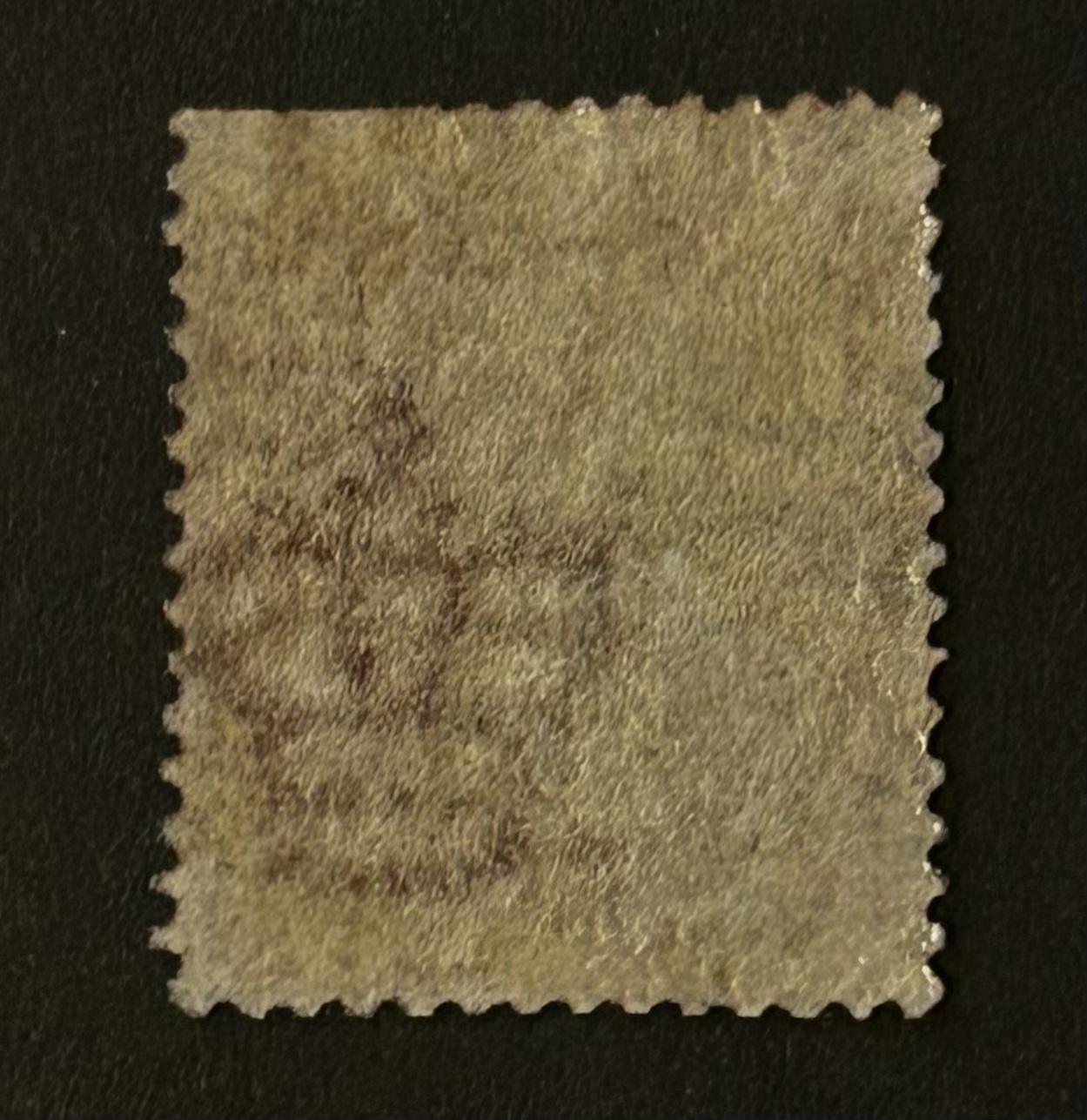
Close-up of the plate number engraved in the side lacework (Plate 149, letters DE, 1871) and the Large Crown watermark.
When identifying a Penny Red, first look at the overall condition and cancellations. Perforations and the presence of letters in all four corners can help date the printing. If it has corner letters and is perforated (gauge 14), it likely dates after 1858.
Checking the plate number is crucial for valuation. While most red plate numbers are worth relatively little (around 10p to 30p), specialized collectors look for specific plates or high-quality specimens. Heavily cancelled or poorly centered stamps, which are common for this issue, typically sell for a fraction of the catalog value.
- Condition and centering
- Perforation gauge (14 or 16)
- Presence of corner letters (post-1858)
- Engraved plate number (post-1864)