A World United by a Cross: Exploring the RN4089 Red Cross Archive
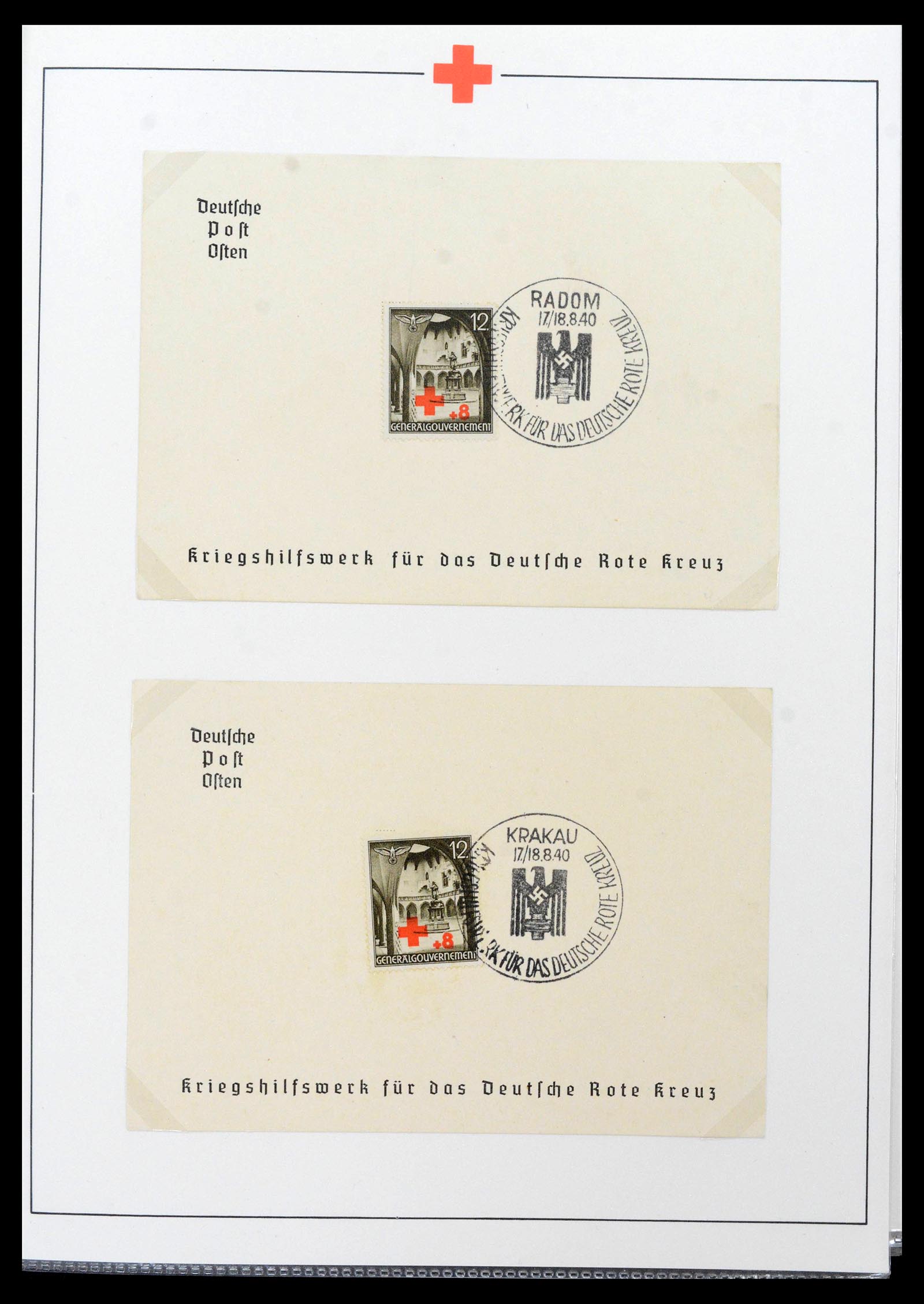
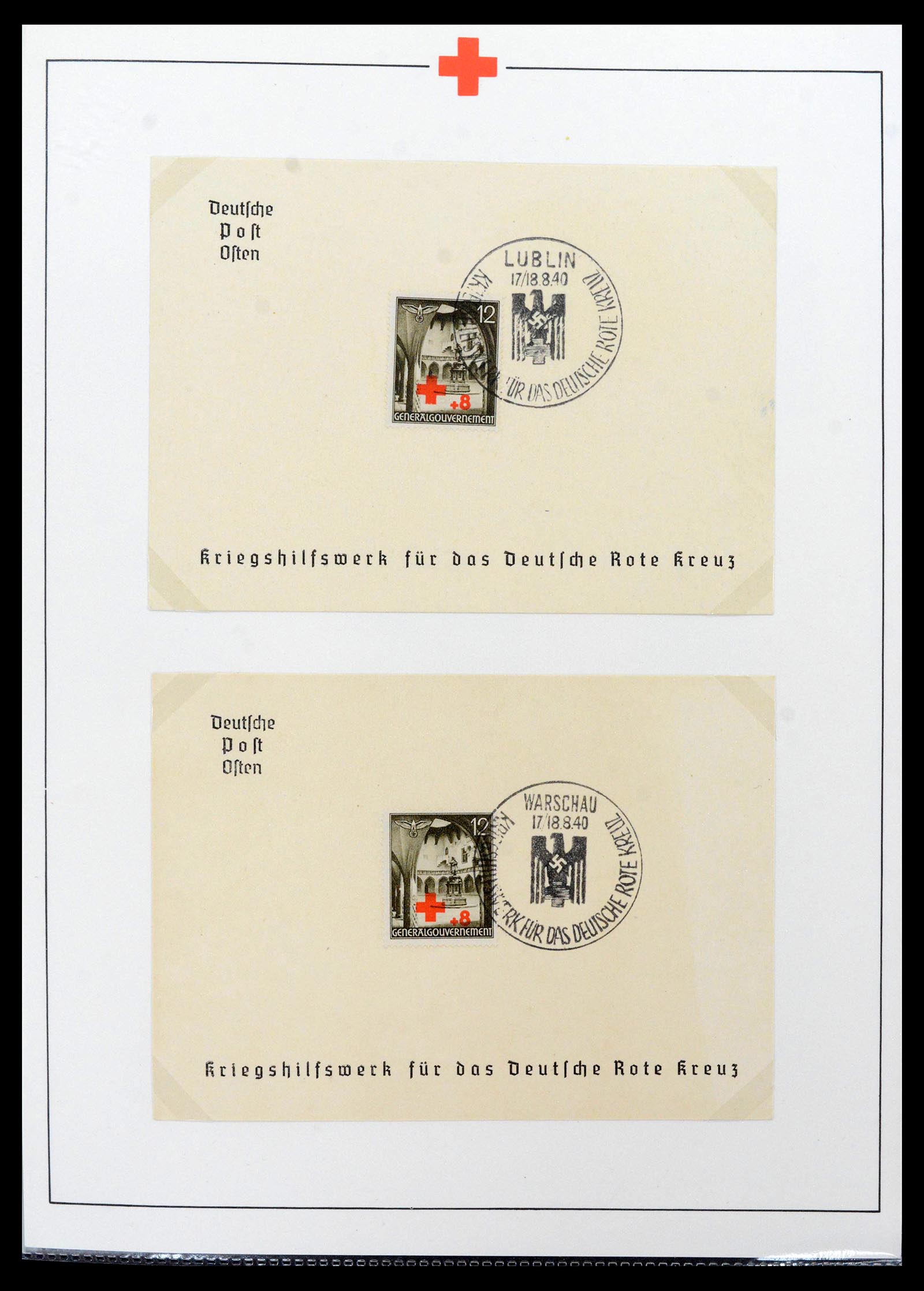
The Red Cross (RN4089) collection represents more than just a hobby; it is a curated archive of 20th-century humanitarian history. Spanning from 1917 to 1980, these eight professional albums document how nations used postage to fund relief efforts during the most tumultuous periods of the modern era.
The Breadth of Global Relief
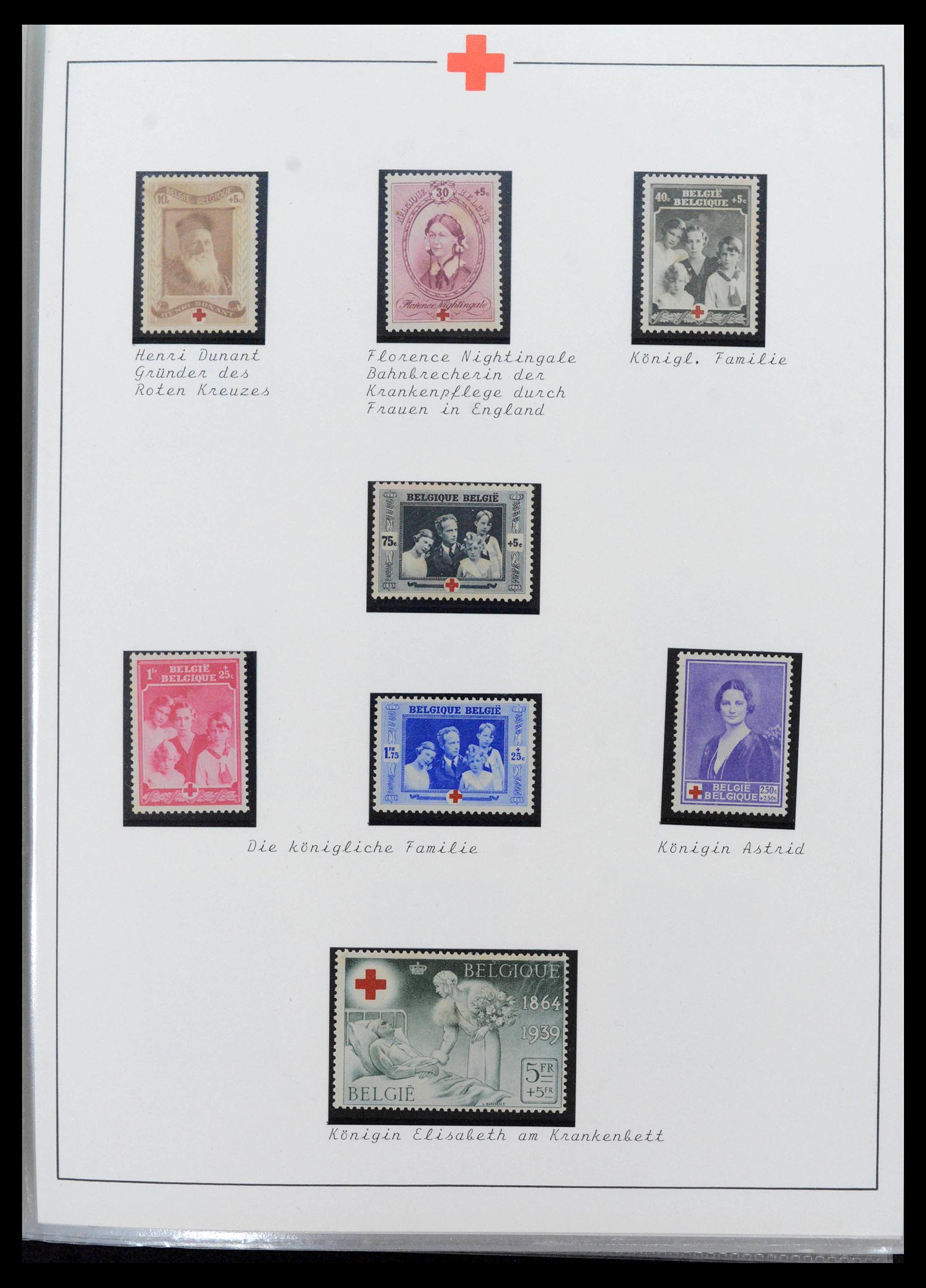
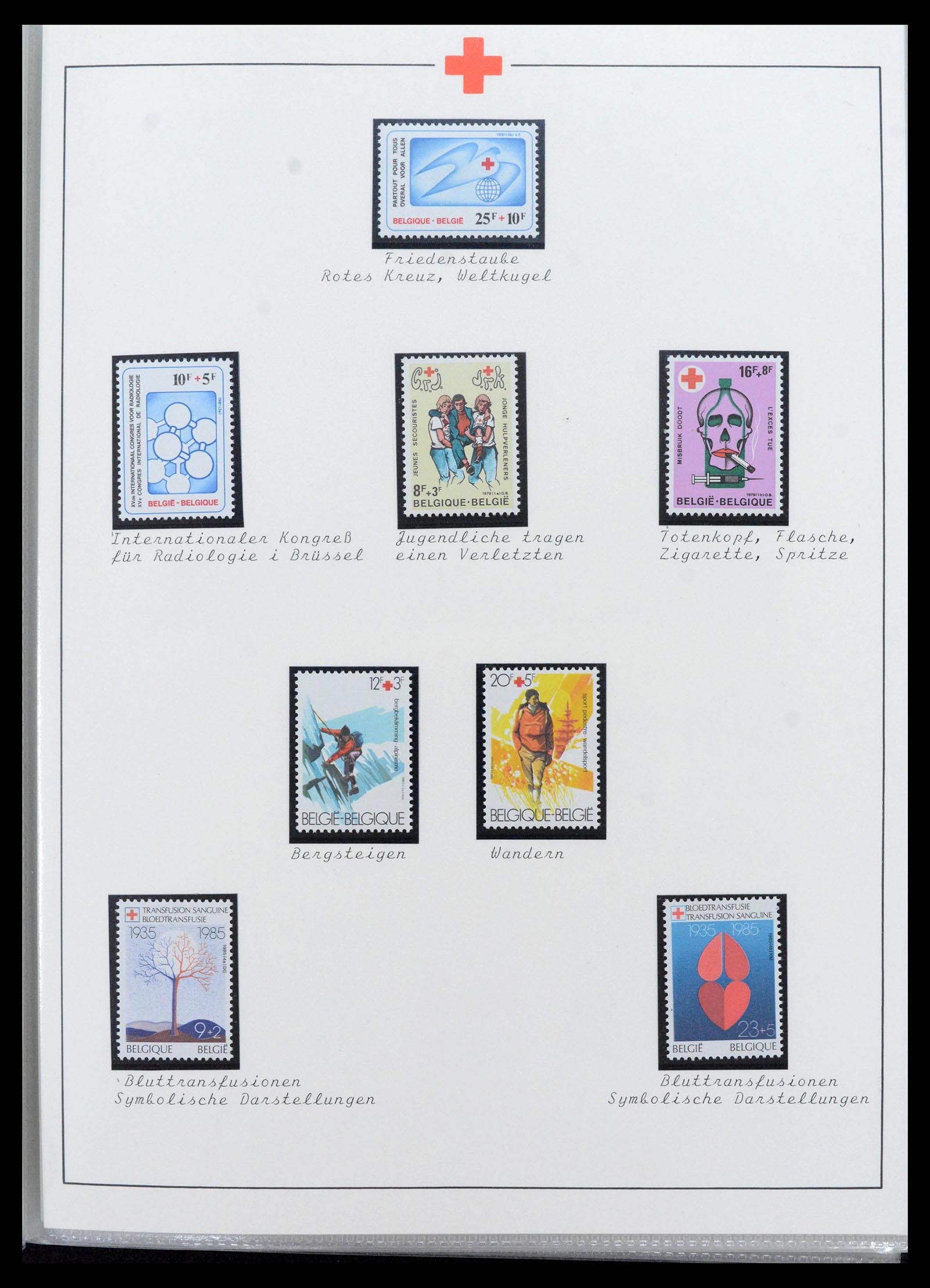
As we move through the early pages of the collection (Images 79–83), we see the diversity of the participating nations. From the early French "Semeuse" overprints to the intricate designs of the Belgian Orval Abbey issues, the collection demonstrates how the 'plus-up' or semi-postal surcharge became a standard method for funding medical supplies and war relief.
Specialized Varieties: Imperforates and Proofs
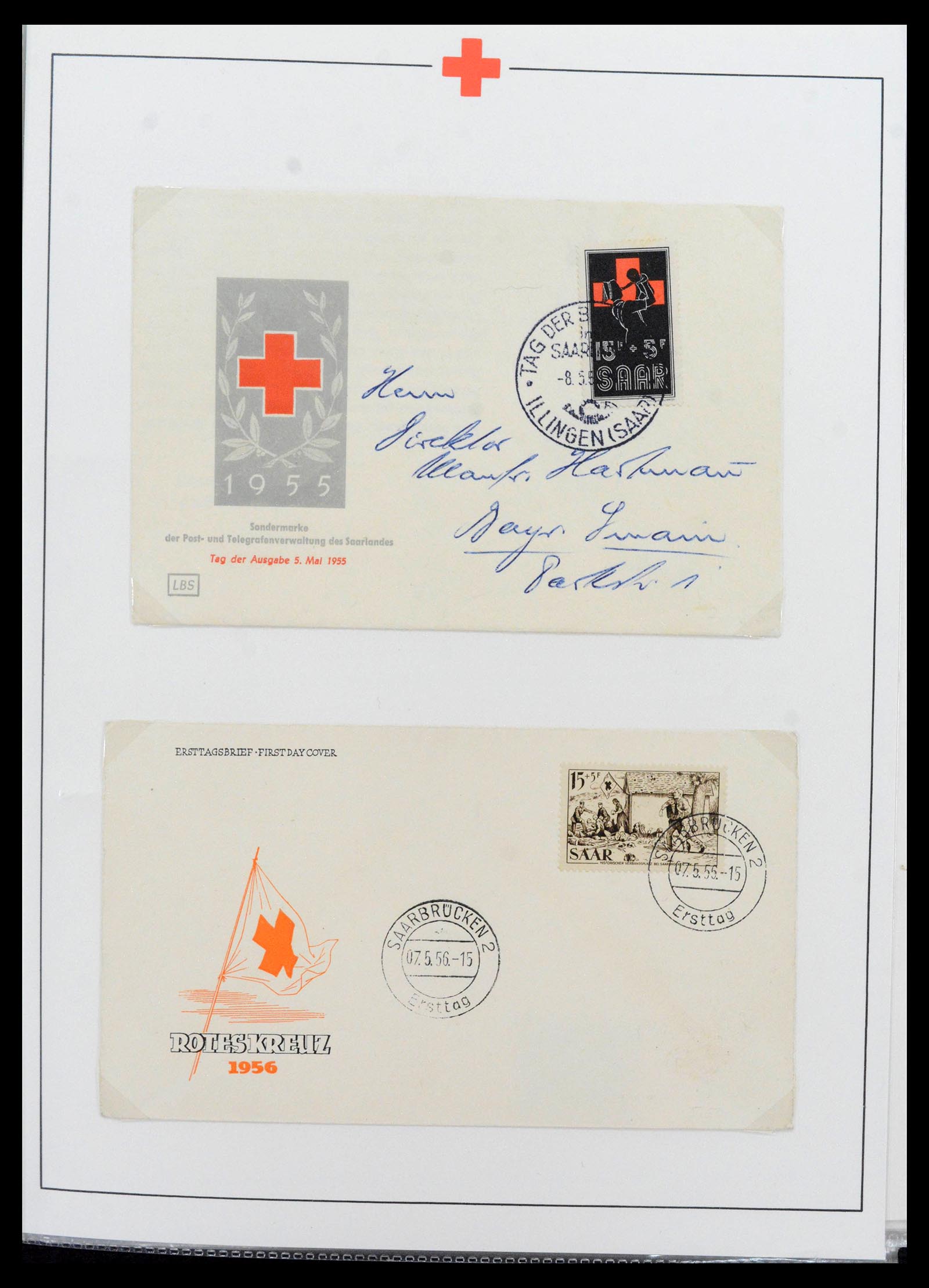
For the advanced specialist, the middle section of the archive (Images 91–95) contains the true "gems." These pages showcase imperforate varieties—stamps issued without the standard teeth-like edges—often printed in limited quantities for presentation or as rare errors. The presence of these variants significantly elevates the philatelic value of the RN4089 lot.
Postal History and First Day Covers
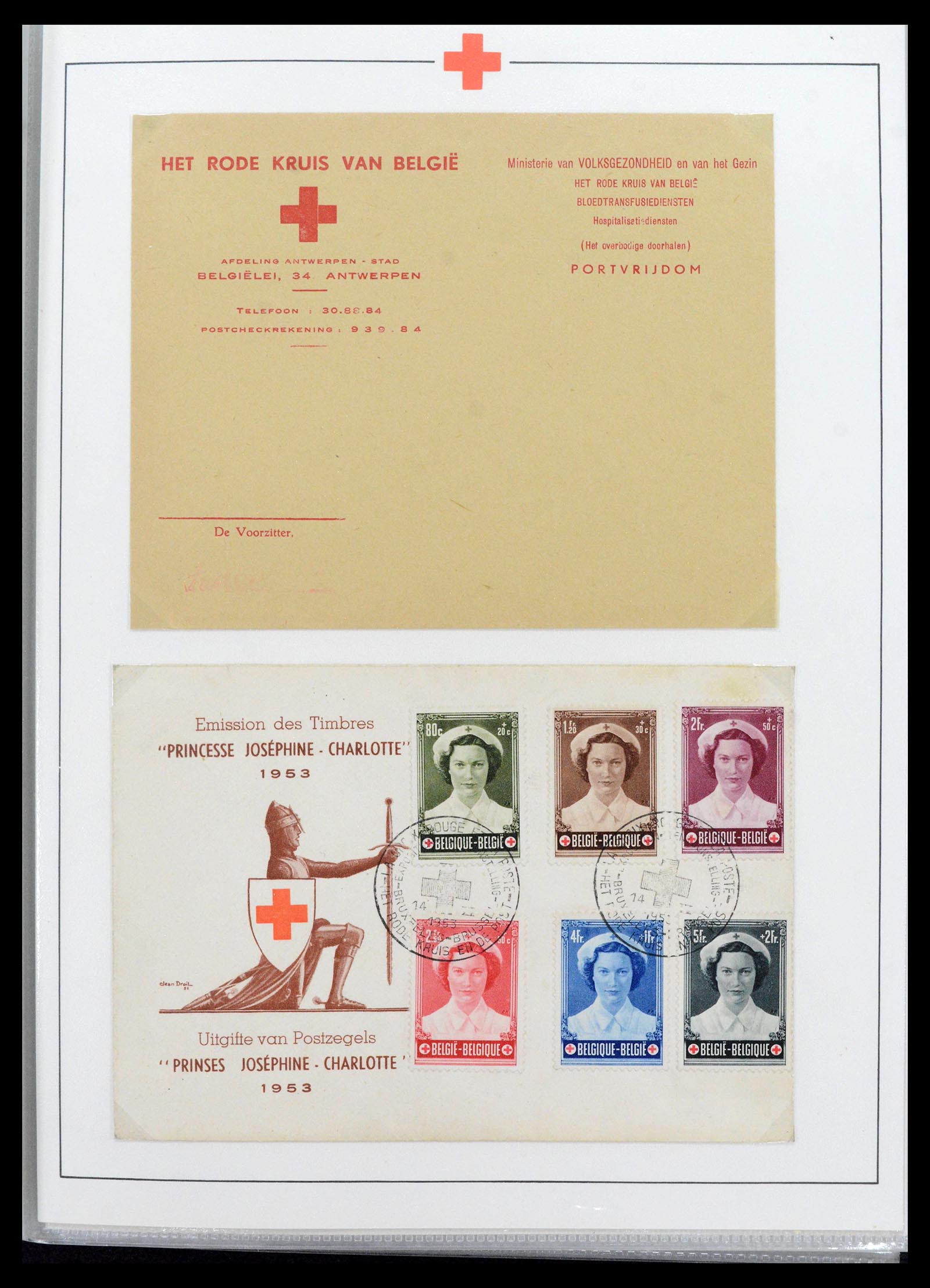
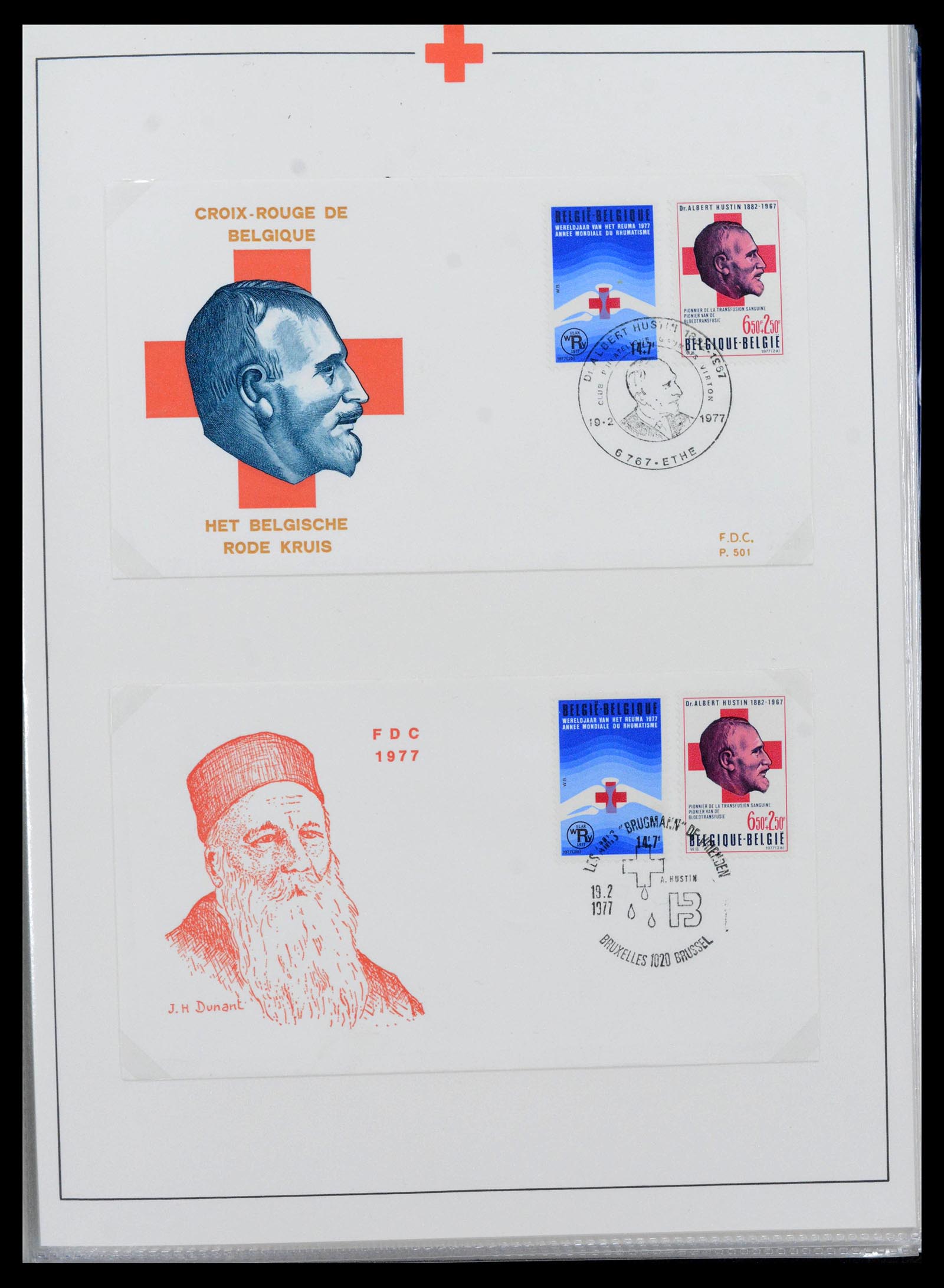
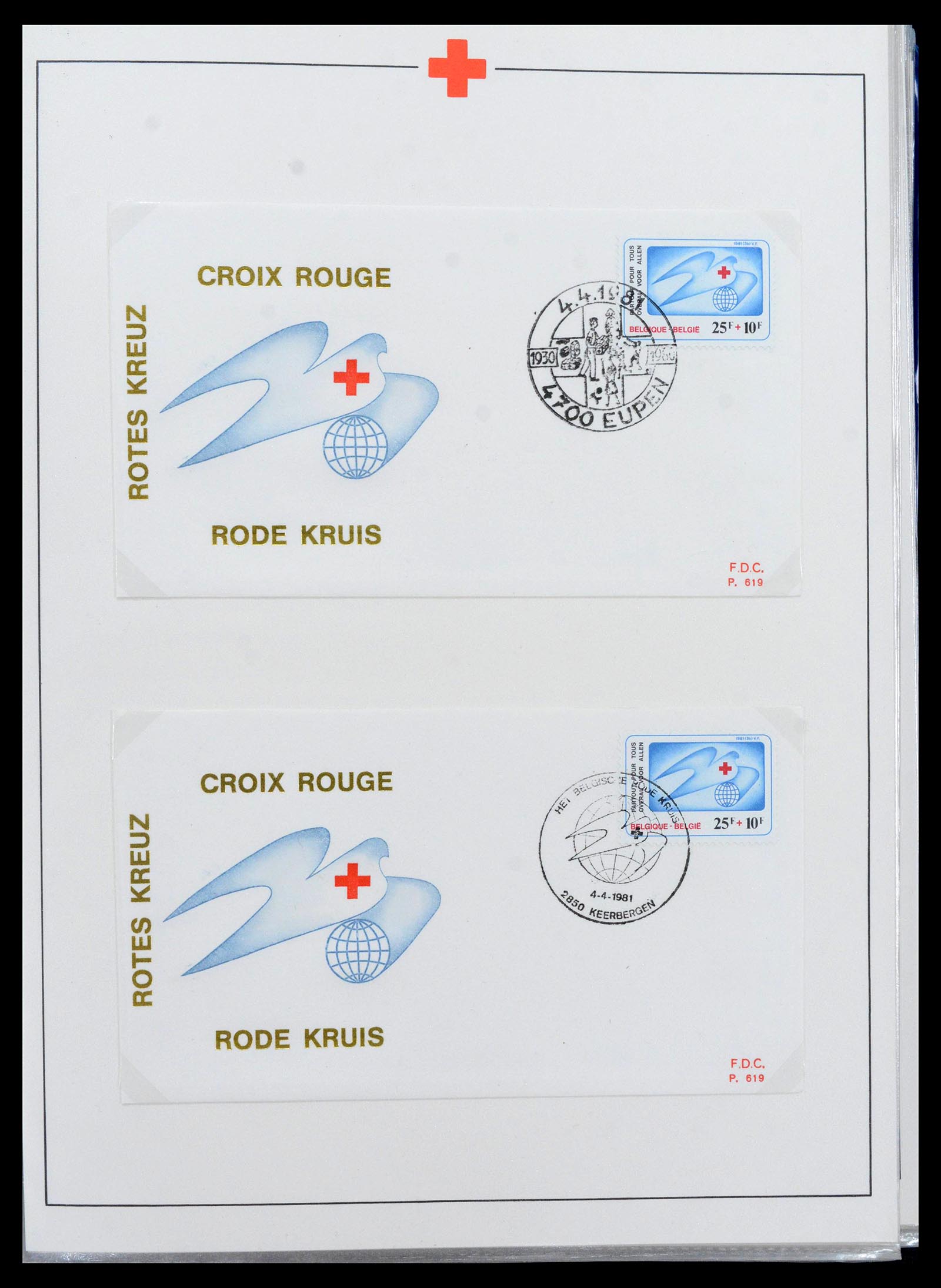
The latter half of the collection (Images 96–100) shifts from loose stamps to First Day Covers (FDCs) and postal stationery. These items provide context, showing how the stamps were actually used in the mail stream. The colorful cachets (the artwork on the left side of the envelopes) tell a story of evolving graphic design, moving from classical engravings to the bold, modernist styles of the 1960s and 70s.
Whether you are a thematic collector focusing on the Red Cross or a postal historian interested in the mechanics of semi-postal issues, the RN4089 archive offers a comprehensive, museum-quality overview of a movement that changed the world.
View Full Inventory Details